







Travel changes you. It should leave the places you visit unchanged.
The world is worth exploring. It's also worth protecting. The good news? Those two things aren't at odds. Whether you're a weekend warrior or a frequent flyer, a few intentional choices can dramatically reduce your impact without dialing down your adventure. Here are 10 ways to travel more sustainably.
In This Article:
TL;DR:
Discover 10 practical tips for becoming a more sustainable traveler, from packing lighter and choosing durable gear to eating local and offsetting your carbon footprint. Whether you're a weekend warrior or a frequent flyer, small intentional choices can protect the planet without slowing down your adventure.
1. Pack Lighter, Travel Smarter
Here's a fact that might change how you pack: the heavier a plane, the more fuel it burns. Every pound counts. Packing light isn't just good for your back, it's genuinely better for the planet. Try using packing cubes to compress and organize your items so you can do more with less bags. When you pack with intention, you'll find you never needed all that "just in case" gear anyway.
2. Choose Gear That’s Built to Last
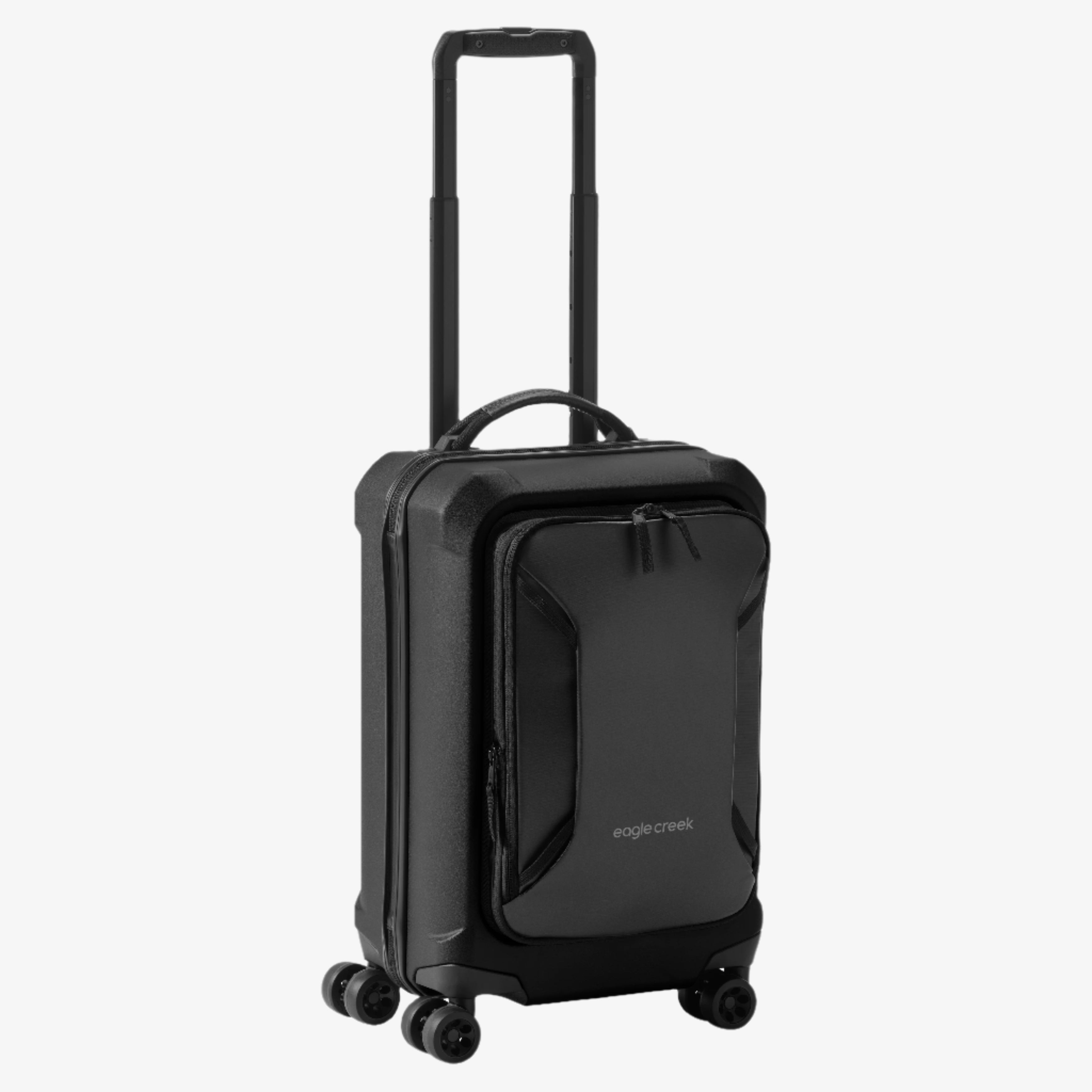
Disposable travel gear is a sustainability problem hiding in plain sight. Cheap bags that fall apart after a trip or two end up in landfills and cost you more in the long run. Invest in well-made, durable gear from brands that take their environmental responsibility seriously. Look for products made with recycled materials, responsibly sourced fabrics, and backed by a serious warranty. Gear that lasts a decade or more is far greener than gear that only lasts for one or two trips.
3. Skip the Checked Bag (When You Can)
Flying carry-on only is one of the highest-impact swaps a traveler can make. Less baggage in the hold means a lighter aircraft and lower emissions per passenger. It also means no baggage fees, no waiting at carousels, and the freedom to move faster once you land. With the right carry-on bag and a smart packing strategy, most trips under two weeks are totally doable without checking a thing. Seriously, just check out how one of our favorite travelers packed for a major two week adventure in only a carry-on bag.
4. Take the Train (or the Bus)
Ground transportation almost always wins on emissions compared to flying, especially for short-to-medium distances. Rail travel in particular is a dramatically lower-carbon way to move between cities, and often a more scenic and relaxing one. If you're in Europe, Japan, or along major U.S. corridors, lean into it. For destinations that require flying, look for direct routes when possible; takeoff and landing burn the most fuel.
5. Book Accommodations That Walk the Talk
Not all "eco" labels are created equal. Look for accommodations with third-party sustainability certifications (like Green Key or LEED), locally owned properties that reinvest in the community, or places that have demonstrated environmental commitments through real practices: solar energy, water conservation, zero single-use plastics, and so on. A quick search before booking goes a long way.
6. Bring a Reusable Kit
Single-use plastics have an outsized environmental impact, and they're everywhere in travel. The fix is simple: pack a reusable water bottle, a packable tote bag, and a set of reusable utensils. A good water bottle with filtration built in means you can hydrate safely in destinations where tap water isn't reliable, without burning through plastic bottles all week. Small items, big difference.
7. Eat and Shop Local
The most direct way to make your travel dollars count is to keep them in the local economy. Skip the chain restaurants and shop at markets where vendors are local producers. Eat seasonally and regionally. the food will taste better, and you'll cut down on the emissions that come from transporting goods halfway around the world. When it comes to souvenirs, ask where it's made. Authentic, locally crafted goods support artisans and communities directly.
8. Respect the Places You Visit
Leave No Trace isn't just a backcountry camping principle, it's a travel philosophy. Stay on designated trails. Don't disturb wildlife or take natural objects from their environment. In cultural sites, follow the rules even when no one's watching. The destinations you love exist because travelers before you chose to respect them. Return the favor for the travelers coming after you.
9. Offset What You Can't Avoid
Some carbon emissions from travel are unavoidable. Carbon offsetting isn't a magic fix, but it's a meaningful supplement to the reductions you're already making. Look for verified offset programs that fund renewable energy, reforestation, or methane capture projects. Many airlines now offer offset options at checkout; third-party programs often provide more transparency.
10. Travel Slower
This one is a mindset shift as much as a strategy. Slowing down, spending more time in fewer places, reduces the transportation emissions that pile up from constantly moving. It also tends to produce richer travel experiences. You learn the rhythms of a place. You find the spots that don't make it onto listicles. You connect more genuinely with the people who live there. Sustainable travel and meaningful travel, it turns out, look a lot alike.
Ready to pack for your next adventure? Explore our durable, travel-ready gear built for wherever you're going and however long you plan to stay.


